Your dog’s ears do a lot more than help them hear the treat bag crinkle from three rooms away. They play a major role in balance, communication, and overall comfort — and because of their unique shape and sensitivity, they need regular attention to stay healthy.
Ear health is one of the most commonly overlooked parts of dog care, yet it’s also one of the most important. Let’s take a closer look at what’s going on inside those adorable ears.
Understanding the Structure of a Dog’s Ear
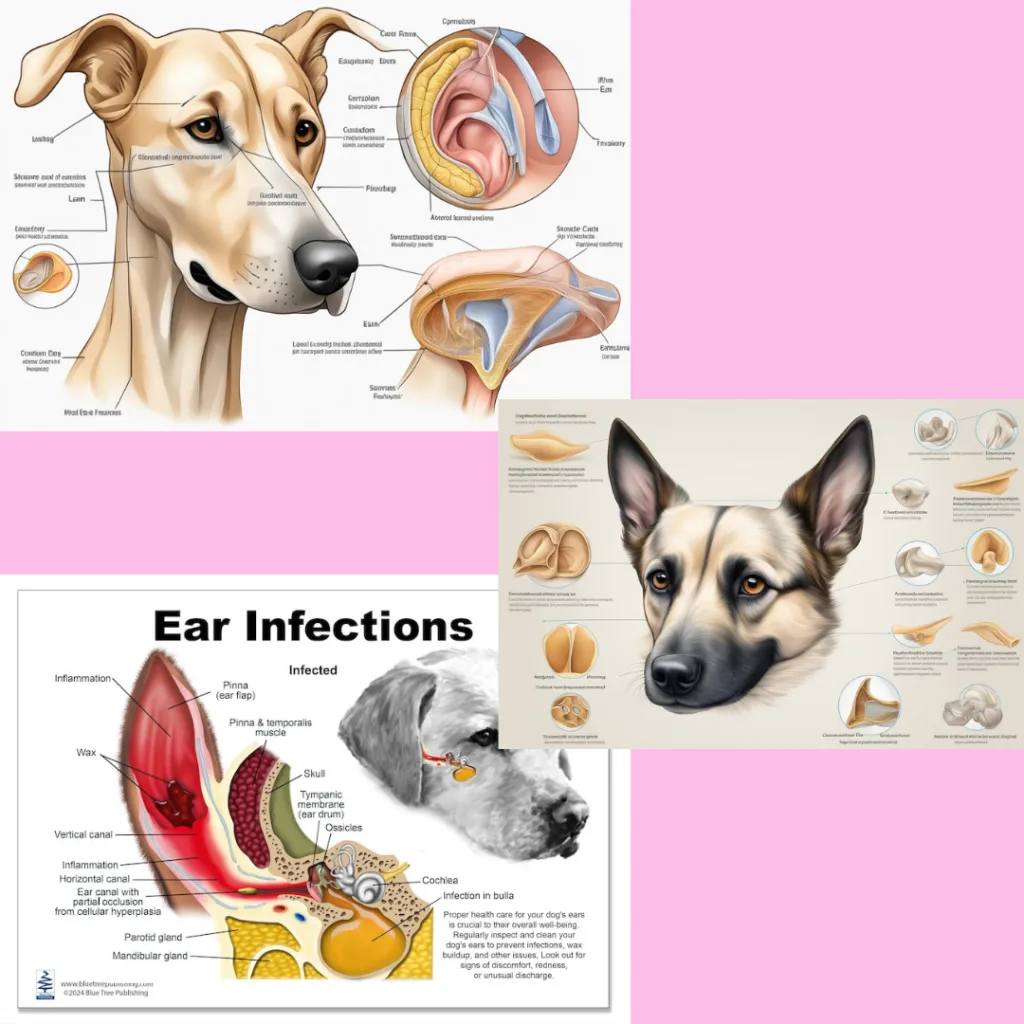
A dog’s ear canal is shaped like an “L,” which means debris, moisture, and wax can easily get trapped. This design helps protect the inner ear, but it also makes dogs more prone to buildup and infections.
Inside the ear, you’ll find:
- The outer ear (what you see and clean)
- The ear canal (where wax and hair can collect)
- The eardrum (delicate and protected deep inside)
Because of this structure, even small issues can become uncomfortable quickly.
Common Ear Issues in Dogs
1. Wax Buildup
Some dogs naturally produce more wax than others. Excess wax can trap debris and create the perfect environment for irritation.
2. Moisture
Water from baths, swimming, or even humidity can get trapped in the ear canal, leading to yeast or bacterial overgrowth.
3. Hair Growth in the Ear Canal
Breeds like poodles, doodles, schnauzers, and shih tzus often grow hair inside the ear canal. If not maintained regularly, this hair can trap wax and moisture.
4. Allergies
Food and environmental allergies often show up as ear redness, itching, or chronic infections.
5. Infections
Yeast and bacterial infections are common and can be painful. Signs include odor, redness, discharge, or head shaking.
Signs Your Dog’s Ears Need Attention
Keep an eye out for:
- Head shaking
- Scratching at the ears
- Redness or swelling
- Odor
- Brown, yellow, or black discharge
- Sensitivity when touched
- Tilting the head to one side
If you notice any of these, it’s time for a vet visit — not a grooming fix.
What Groomers Can (and Cannot) Do
As a groomer, I can:
- Clean the outer ear
- Remove visible debris
- Maintain hair around the ear
- Pluck ear hair only if it’s already being done regularly and the dog tolerates it
What I cannot do is treat infections, diagnose issues, or clean deep inside the ear canal. If something looks concerning, I’ll always let you know and recommend a vet visit.
Why Routine Ear Care Matters
Regular ear care helps:
- Prevent infections
- Reduce odor
- Keep your dog comfortable
- Support healthy skin
- Catch issues early
- Maintain a safe grooming experience
Dogs with floppy ears, allergies, or hair in the canal especially benefit from consistent maintenance.
Healthy Ears = A Happier Dog
Your dog’s ears are sensitive, hardworking, and essential to their well‑being. A little routine care — paired with professional grooming and veterinary support when needed — keeps them comfortable, healthy, and feeling their best.