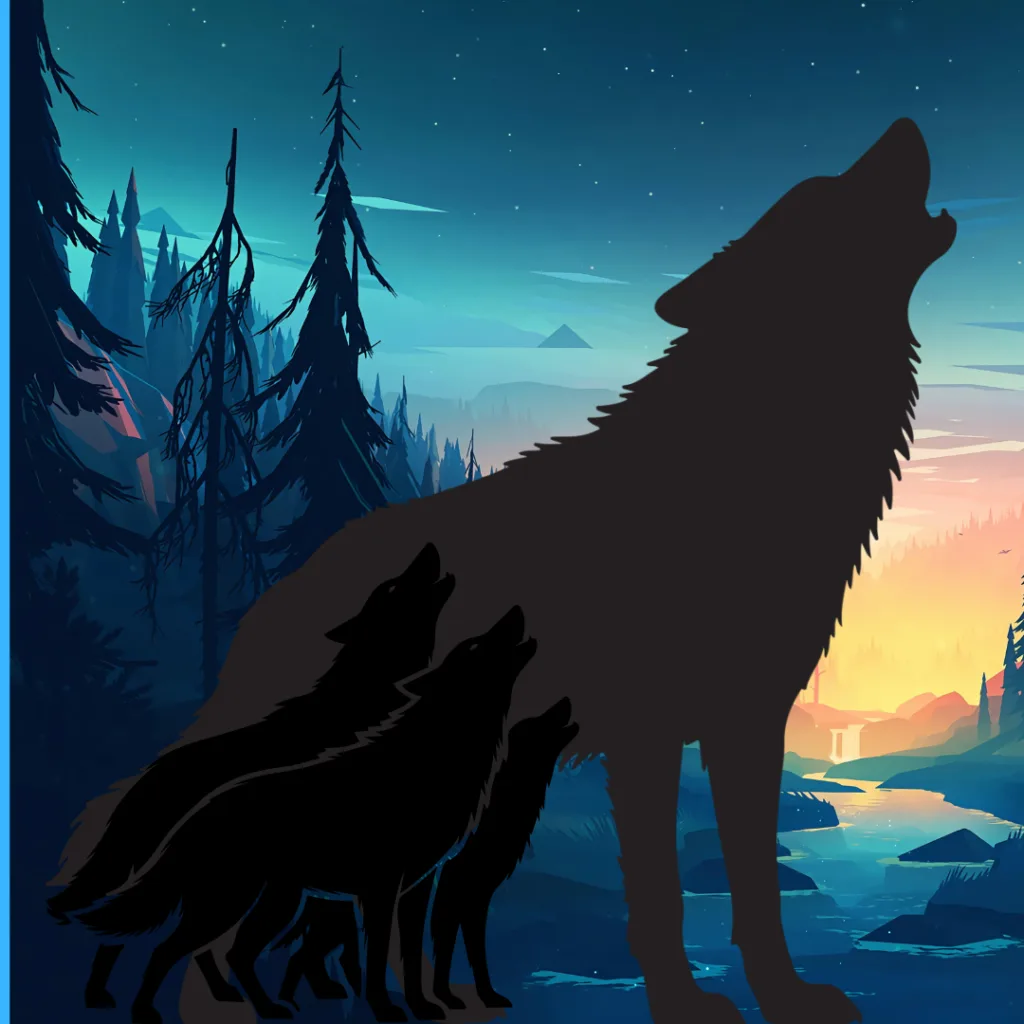
Dogs descended from wolves, who historically lived in family-based packs for survival — hunting together, protecting one another, and raising young cooperatively. This ancestry is why dogs still show strong social instincts today. They naturally seek connection, structure, and belonging within a group.
But the classic idea of a rigid “alpha, beta, omega” hierarchy has been widely debunked. Early wolf studies were based on captive, unrelated wolves forced together — not natural family groups. Modern research shows wild wolf packs function more like families, with parents guiding and teaching rather than dominating.
Because dogs evolved alongside humans for thousands of years, their social structure is even more flexible. They’re not strict pack animals like wolves — instead, they form adaptable social groups centered around companionship, cooperation, and relationships.
🐶 What “Pack Mentality” Really Means for Dogs
1. Dogs thrive on social connection
Dogs form bonds with both humans and other dogs. Their “pack” is often their human family, and they look to us for guidance, safety, and routine.
2. They seek structure, not dominance
While dogs appreciate predictability and leadership, modern behaviorists emphasize that dogs are not trying to “take over” the household. Instead, they respond best to calm, consistent guidance — much like wolf parents guiding their young.
3. Cooperation matters more than hierarchy
Studies of free-ranging dogs show they form loose, cooperative social groups based on familiarity, resources, and relationships — not rigid dominance.
4. Pack instincts influence everyday behavior
You’ll see pack tendencies in behaviors like:
- Following you from room to room
- Seeking reassurance or direction
- Playing or resting near other dogs
- Looking to you during uncertain situations
These aren’t power struggles — they’re social bonding behaviors rooted in their ancestry.
🏡 What This Means for Dog Owners
Understanding dogs as social, family-oriented animals helps us support them better:
- Provide consistent routines — predictability makes dogs feel secure.
- Use positive reinforcement — guidance works better than dominance.
- Encourage healthy socialization — dogs benefit from safe interactions with others.
- Be their trusted leader — not an “alpha,” but a calm, reliable caregiver. ((source) thek9encounter.com)
When we meet a dog’s social needs, we’re honoring the pack instincts that shaped them — not through outdated dominance models, but through connection, communication, and compassion.