Summer in Ohio is no joke for dogs. The temperature climbs, the humidity sits on you like a wet blanket, and your dog is wearing a fur coat they can never take off. Every year around this time, I see at least a few dogs in the van who are overheated before their appointment even starts, and it is a real safety concern.
To keep your dog safe in the heat, it helps to understand how dogs actually cool down. Because here is the thing: they do not cool down the way we do. They cannot sweat through their skin. They have to do it a different way, and that way has limits.
The Main Cooling Method: Panting
When a dog pants, they are doing more than just looking tired. They are moving air rapidly across the moist surfaces of their tongue, mouth, and upper airway. As the moisture evaporates, it carries heat away from the body. It is basically the same principle as sweating, just routed through the respiratory system instead of the skin.
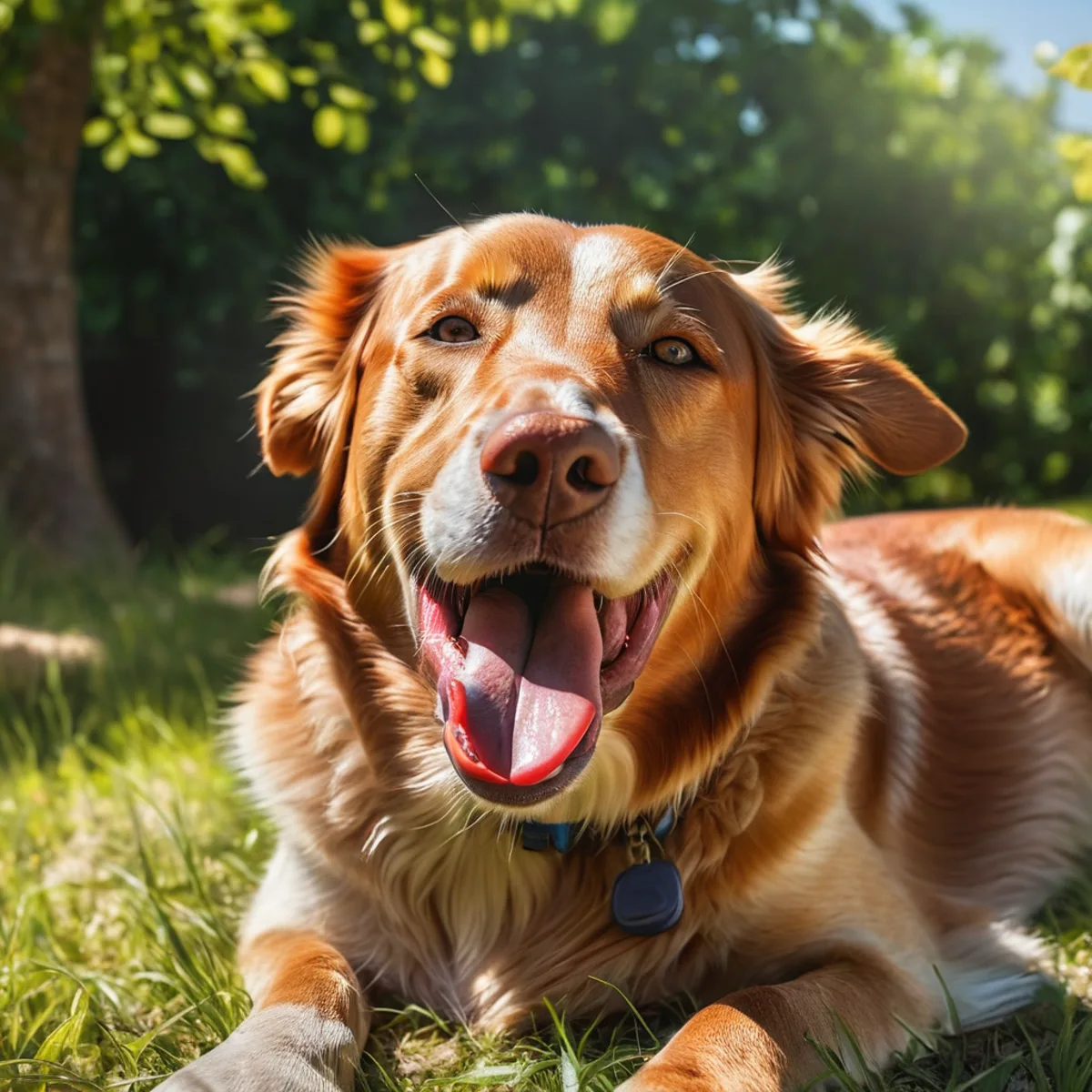
A panting dog looks like this: mouth open, tongue out (often quite far out), breathing fast but not labored, and the body is loose. This is normal cooling and it is working.
A dog in trouble looks different: the panting is heavy, the tongue is bright red or purple, the dog is drooling thick saliva, the gums are tacky, and the dog is sluggish or confused. That is heat stress or heat stroke, and it is a vet emergency.
The Second Cooling Method: Paw Pads
Here is the part most people do not know. Dogs can sweat, but only through their paw pads and nose. You will not see sweat beading up like on a human forehead, but the paw pads do release a small amount of moisture when a dog is hot. That is why you might notice wet paw prints on the floor or the exam table on a hot day, or when your dog is nervous.
Paw pad sweating is a minor part of cooling, but it is not nothing. It is also why hot pavement is a real problem in summer. If the ground is too hot for your hand, it is too hot for their paws. Asphalt can hit 150 degrees on a 90-degree day, and that is enough to burn paw pads in seconds. The “place the back of your hand on the pavement for 7 seconds” test is a good one. If you cannot hold it there, do not walk your dog on it.
The Third Method: Vasodilation
Dogs also cool down by sending more blood to the surface of their body, especially the ears and face. The blood vessels dilate, the warm blood gets closer to the surface, and some of that heat radiates away. You can sometimes see this in action: the ears feel hot, the inside of the ears looks flushed. That is the body trying to dump heat.
Why Brachycephalic Dogs Have It Worse
Pugs, French Bulldogs, English Bulldogs, Boston Terriers, Shih Tzus, Pekingese, and any other flat-faced breed have a much harder time cooling down. Their shortened airways do not move air as efficiently, which means panting does not work as well. This is why brachycephalic dogs are at higher risk for heat stroke. In hot weather, they need extra help: short outings, lots of shade, cool water, and air conditioning. Never leave a brachycephalic dog outside on a hot day without a way to cool off.
How I Keep Dogs Cool in the Van
A few things I do for every dog, but especially in summer:
– I keep the van climate-controlled and run cool water before the bath.
– I never leave a dog in the van unattended. Ever.
– I schedule appointments to avoid the worst heat of the day when I can.
– I have cold water on hand and offer it before, during, and after the groom.
– If a dog is showing any signs of overheating, the bath and blow dry become secondary. Cooling the dog down comes first.
What You Can Do at Home
– Keep fresh, cool water available at all times.
– Offer shade and air conditioning on hot days.
– Walk early morning or late evening when the pavement is cooler.
– Watch for the warning signs: heavy panting, drooling, bright red gums, stumbling, vomiting, or collapse. If you see any of these, get to a vet immediately.
– Never, ever leave a dog in a parked car. Even with the windows cracked. Even for a minute. Even in 70-degree weather. Cars heat up fast.
Stay fresh and furry, Nicole / Vroom Grooms LLC
About the Author
Nicole is the owner and certified groomer behind Vroom Grooms LLC, a mobile dog grooming service serving Northwest Ohio. She has been certified since 2020 after completing 640 hours of hands-on training, and treats heat safety as a non-negotiable part of the mobile grooming workflow. You can catch her live on Twitch at DogGroomerNIcole, where she streams real appointments and shows how she sets up the van for each dog.
This post was drafted with help from Nagini 🐍, her digital assistant, who keeps the blog running, handles the tech side of the website, and makes sure Nicole spends more time with dogs and less time wrestling with WordPress.