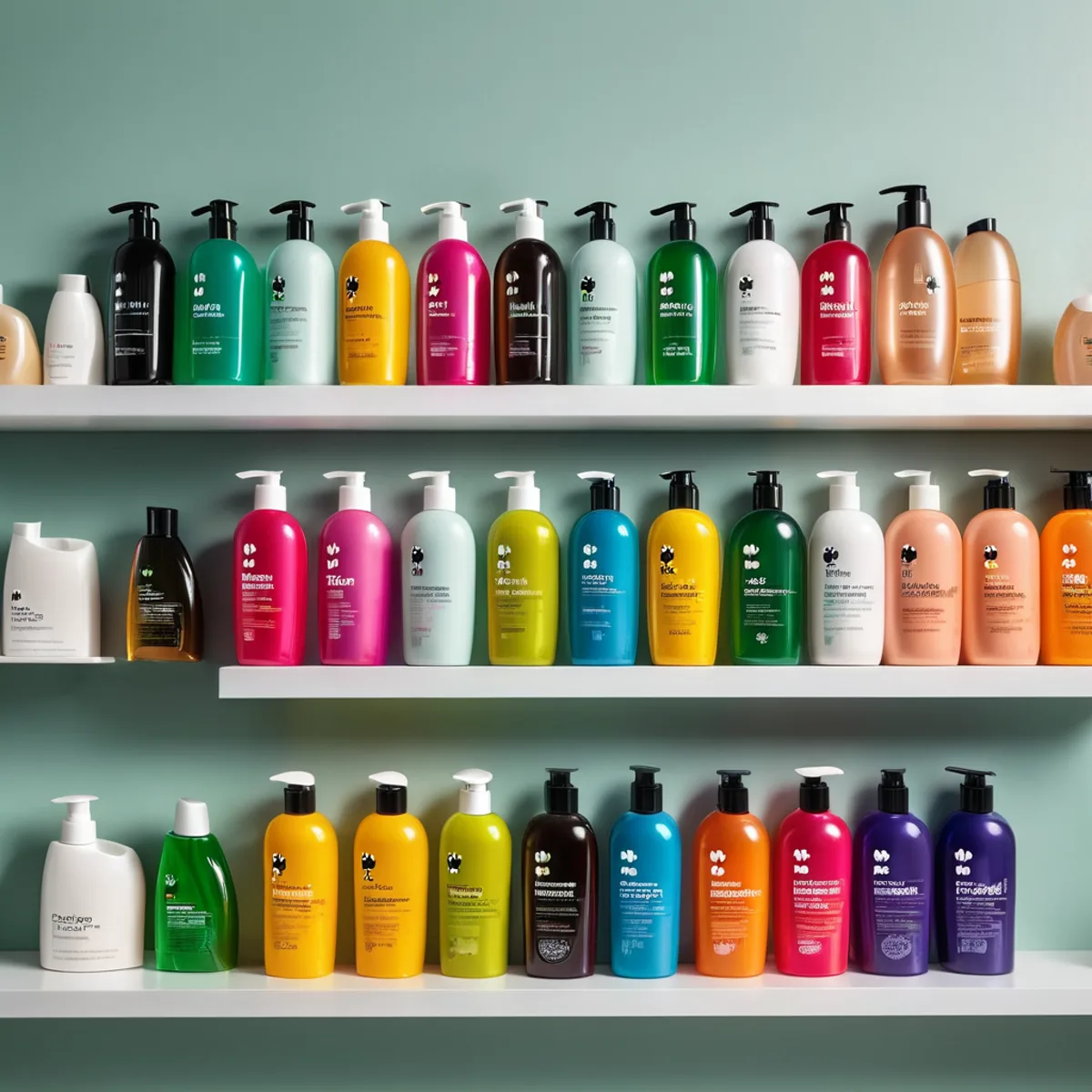
Walk into any pet store and you will see a wall of dog shampoos. Hypoallergenic, moisturizing, de-shedding, whitening, medicated, oatmeal, tea tree, coconut, lavender. The choices are overwhelming. And the wrong shampoo can leave your dog’s coat dull, dry, irritated, or worse. Let me help you figure out what your dog actually needs.
The Most Important Rule: Dog Shampoo, Not Human Shampoo
Before we get into the specifics, let me address the single biggest mistake I see: people using their own shampoo on their dog. Human skin has a pH of about 5.5, which is slightly acidic. Dog skin has a pH of about 7.0 to 7.5, which is closer to neutral. Human shampoo is formulated for the wrong pH, and using it on a dog can disrupt the skin barrier, leading to dryness, irritation, and infection.
This includes baby shampoo, “gentle” shampoo, and “all natural” human shampoo. Just because it is mild for humans does not mean it is appropriate for dogs. Use a dog-specific shampoo, period.
The Basic Categories
General purpose / mild shampoo. This is the workhorse of dog shampoos. It is pH-balanced for dogs, gentle enough for regular use, and suitable for most healthy dogs with normal skin. If your dog has no specific skin or coat issues, this is your default.
Moisturizing shampoo. For dogs with dry skin, dry coats, or breeds prone to dryness (Basset Hounds, Bulldogs, some Terriers). Look for ingredients like oatmeal, aloe vera, shea butter, and vitamin E. These help restore moisture to the skin and coat.
De-shedding shampoo. Formulated to help loosen and release the undercoat during a bath. Most de-shed shampoos work best when paired with a de-shed conditioner and proper drying technique. They are not magic, but they do help during shedding season.
Whitening/brightening shampoo. For white, cream, or light-colored coats. These shampoos use optical brighteners or mild bleaching agents to remove yellowing and staining. They are not for dark coats, and overuse can dry out the skin.
Medicated shampoo. For dogs with specific skin conditions (bacterial infections, fungal infections, seborrhea, allergies). These usually require a vet’s recommendation and are not for general use.
Hypoallergenic shampoo. For dogs with sensitive skin or allergies. These are formulated without common irritants like fragrances, dyes, and harsh detergents. They are not “allergy testing” shampoos. If your dog has a real allergy, work with your vet.
Flea and tick shampoo. These contain insecticides and are meant to kill parasites on contact. They are not a replacement for proper flea and tick prevention (a topical or oral preventive), but they can help in a pinch. I do not recommend using them as a regular shampoo.
The Coat-Specific Picks
Short, smooth coats (Pit Bulls, Beagles, Boxers). A general purpose shampoo works fine. These coats do not need a lot of extra moisture or special ingredients. A mild shampoo, rinsed thoroughly, is all you need.
Long, silky coats (Afghan Hounds, Yorkies, Maltese, Shih Tzus). A moisturizing shampoo with a matching conditioner is worth the extra step. These coats get dry and brittle without added moisture, and a good conditioner makes brushing much easier.
Curly coats (Poodles, Doodles, Bichons, Portuguese Water Dogs). A moisturizing shampoo is essential, and a leave-in conditioner or coat spray is highly recommended. Curly coats are prone to dryness and matting, and added moisture is your friend.
Double coats (Huskies, Golden Retrievers, German Shepherds, Bernese Mountain Dogs). A general purpose or de-shed shampoo is fine. These coats do best when they are not over-conditioned, because the undercoat needs to stay light and fluffy to do its job.
Wire coats (Wire Fox Terriers, Airedales, Schnauzers). A general purpose shampoo works for most wire coats. These coats benefit from being roughed up with a brush or stripping knife, not from heavy conditioning.
Sensitive skin / allergies. Hypoallergenic shampoo, no fragrance, no dyes. If your dog is itchy, talk to your vet about a shampoo plan that addresses the underlying cause.
Ingredients to Avoid
A few ingredients that are commonly found in dog shampoos and that I would be cautious about:
– Tea tree oil. Toxic to dogs in high concentrations. Many “natural” shampoos include it, and it can cause problems if the dog licks the coat after the bath.
– Strong fragrances. Can irritate sensitive skin and trigger reactions in some dogs.
– Harsh sulfates (SLS, SLES). Strip the natural oils and can leave the skin dry and itchy.
– Artificial dyes. Mostly harmless, but unnecessary, and some dogs react to them.
The Rinse Is the Most Important Part
No matter what shampoo you use, the most important step is the rinse. Leftover shampoo on the skin is one of the top causes of post-bath itchiness, hot spots, and skin irritation. Rinse until the water runs completely clear and the coat feels “squeaky” when you run your fingers through it. Then rinse one more time for good measure.
A good rule: if you can still see any suds or feel any slipperiness in the coat, you are not done rinsing.
When in Doubt, Ask
If you are not sure what shampoo your dog needs, ask your groomer or your vet. We can look at your dog’s coat and skin and give you a specific recommendation. What works for one dog may not work for another, even if they are the same breed, because individual dogs have individual skin chemistry.
Stay fresh and furry, Nicole / Vroom Grooms LLC
About the Author
Nicole is the owner and certified groomer behind Vroom Grooms LLC, a mobile dog grooming service serving Northwest Ohio. She has been certified since 2020 after completing 640 hours of hands-on training, and uses coat-specific products on every dog in the van. You can catch her live on Twitch at DogGroomerNIcole, where she streams real appointments and talks about why she chose each product for each dog.
This post was drafted with help from Nagini 🐍, her digital assistant, who keeps the blog running, handles the tech side of the website, and makes sure Nicole spends more time with dogs and less time wrestling with WordPress.