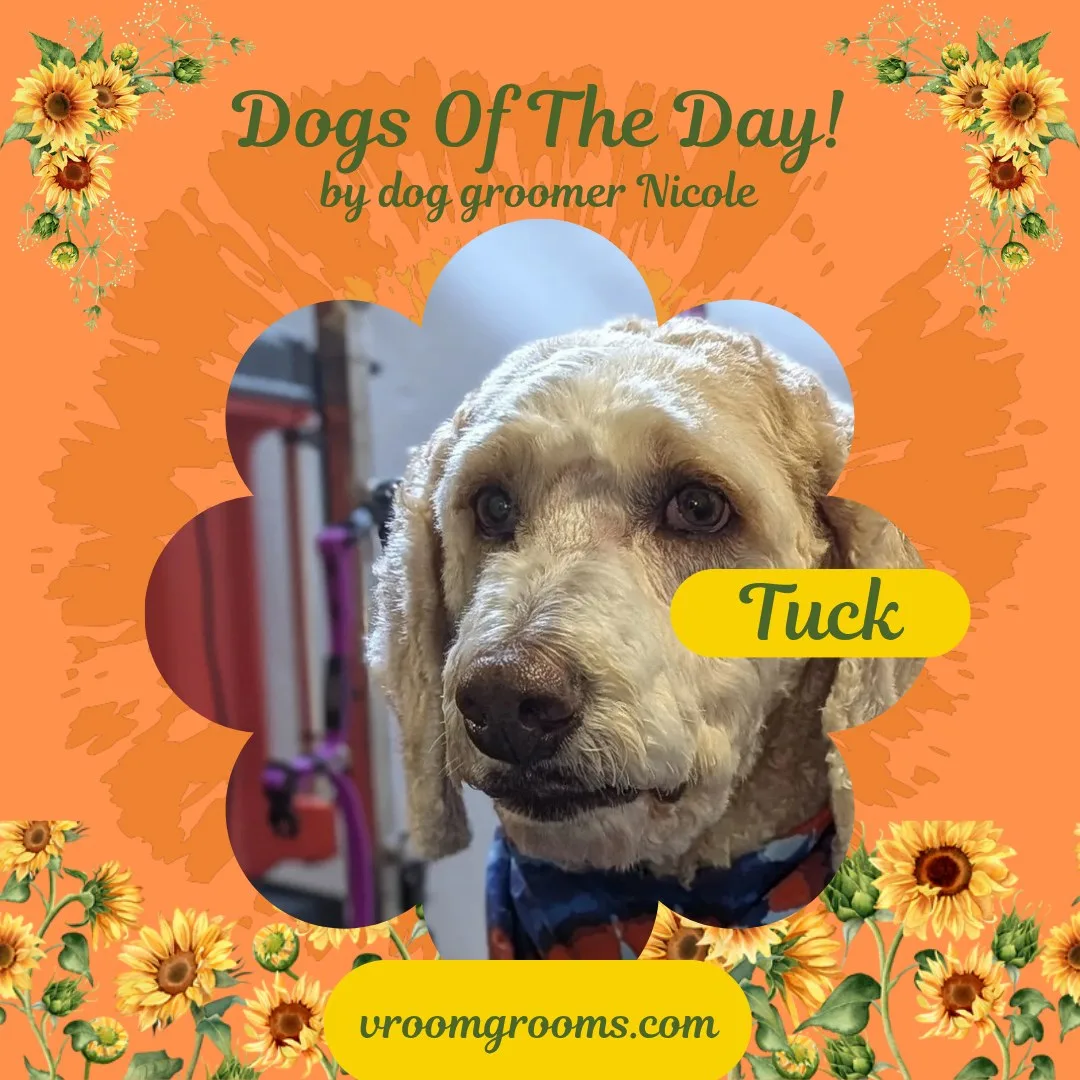
Every groomer has a dog they think about. Mine is a doodle who came in months overdue, smiling through a coat that was one solid mat from shoulder to tail. We got him comfortable that day, but I have never forgotten what the coat looked like underneath. Matting is the most preventable problem in dog grooming. Here is how it happens and how to make sure it never happens to your dog.
How a Coat Actually Mats
Matting starts with dead hair. Undercoat and loose hairs shed, but unless something removes them, they stay trapped in the coat. Two trapped hairs wrap around each other. Then ten. Then a small tangle becomes a tight little knot of felt, and the tangle pulls in the hairs around it. Mats grow outward like snowballs.
The spots that go first are the spots of friction and moisture: behind the ears, under the collar, in the armpits, the belly where the dog lies down, and the pants on a fluffy leg. Check those six spots on any long-coated dog and you will find the mats before they find you.
Why Mats Are Not Just Ugly
A mat is not sitting politely on top of the skin. It grips it. A tight mat pulls on the skin with every movement, and underneath, air cannot reach. The skin inside a serious mat stays damp and oxygen-starved, and that is how hot spots and skin infections get started. Sometimes the first sign of trouble is not visible at all until the mat comes off.
Mats also hide things. A tick, a scrape, a rash, or a burr lodged against the skin can sit unseen under a matted coat for weeks.
The Shavedown Question, Answered Honestly
Here is the part nobody wants to hear: sometimes the only kind thing left is to take a matted coat down short. When mats sit tight against the skin, there is no safe line for a brush or clipper to slide under, and pulling at them hurts the dog with every stroke. I do not de-matt. That is a Vroom Grooms policy, and it exists because de-matting a tight coat means hours of pulling at live skin. A short, comfortable restart beats a long, painful salvage every single time.
The coat grows back. The dog who remembers a pain-free groom comes back happy. That is the trade, and it is a good one.
The Fix Is Boring and It Works
Brushing. Two or three short sessions a week, down to the skin, not just the top fluff. If the brush glides from skin to tip without snagging, you are winning. The spots that mat first need the most passes. Ten minutes behind the ears is worth an hour on the back.
And keep the groom schedule steady. A six-week rhythm on a doodle or a long-haired breed stays ahead of the tangles. Stretch it to ten or twelve and the coat plays catch-up, and catch-up is where mats win.
The Bottom Line
Matting is a schedule problem before it is a coat problem. Regular brushing, regular grooms, and a quick weekly feel-through of those six trouble spots. Do that, and the shave-down conversation never happens at your house.
Stay fresh and furry, Nicole / Vroom Grooms LLC
Until next time, my furry friends!
Catch the Action Live! Want to see grooming transformations happen in real-time? Tune into the solo live stream over on Twitch at DogGroomerNicole. Whether we are tackling tricky coat conditions, working with different breeds and weight classes, or just enjoying some puppy cuddles, you can watch it all unfold straight from the van.
While you are watching from your laptop or desktop, please take a moment to click the link below the stream to learn more about Folds of Honor, a phenomenal charity we are incredibly proud to support.
See you all on the road!
About the Author
Nicole is the owner and certified groomer behind Vroom Grooms LLC, a mobile dog grooming service serving Northwest Ohio. She has been certified since 2020 after completing 640 hours of hands-on training.
This post was drafted with help from Nagini 🐍, her digital assistant, who keeps the blog running, handles the tech side of the website, and makes sure Nicole spends more time with dogs and less time wrestling with WordPress.
Sources
- akc.org — breed facts
- avma.org — health information
- leadingedgegroomingacademy.com — grooming technique