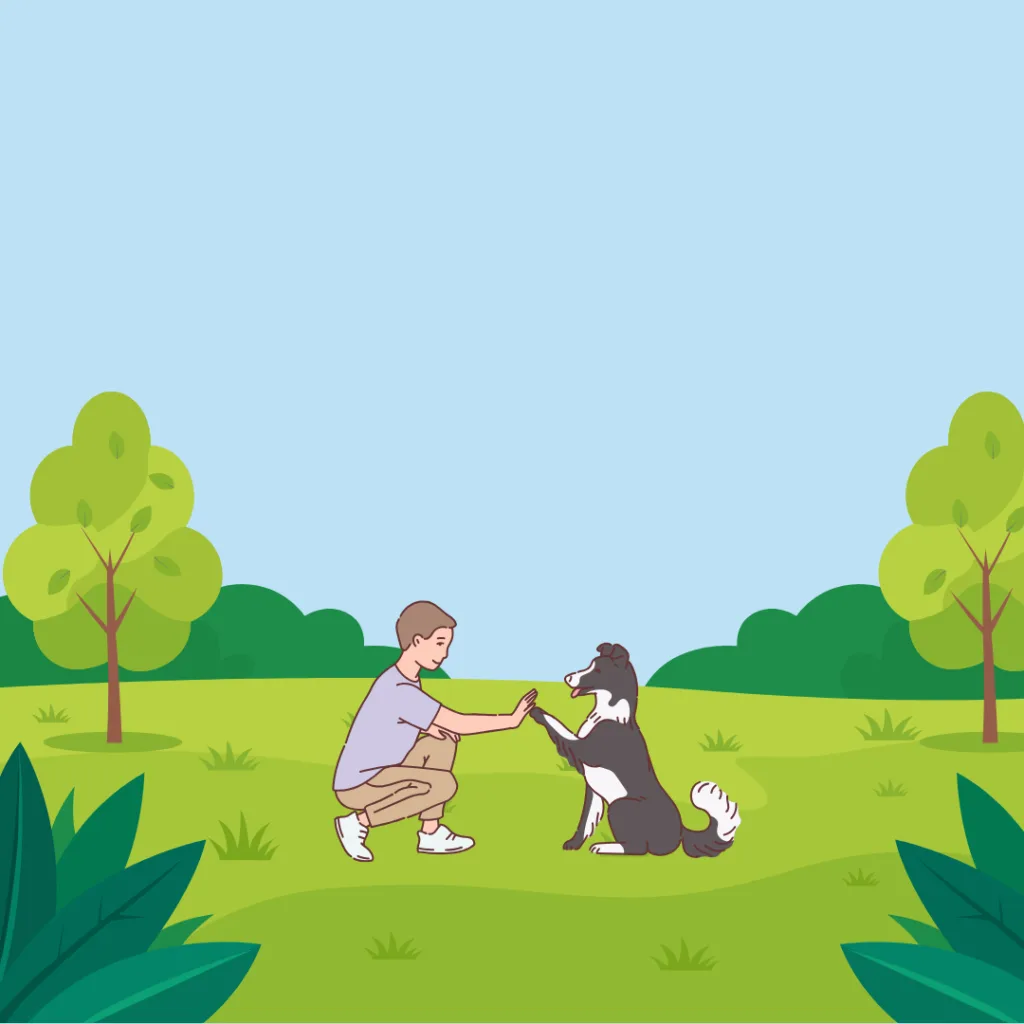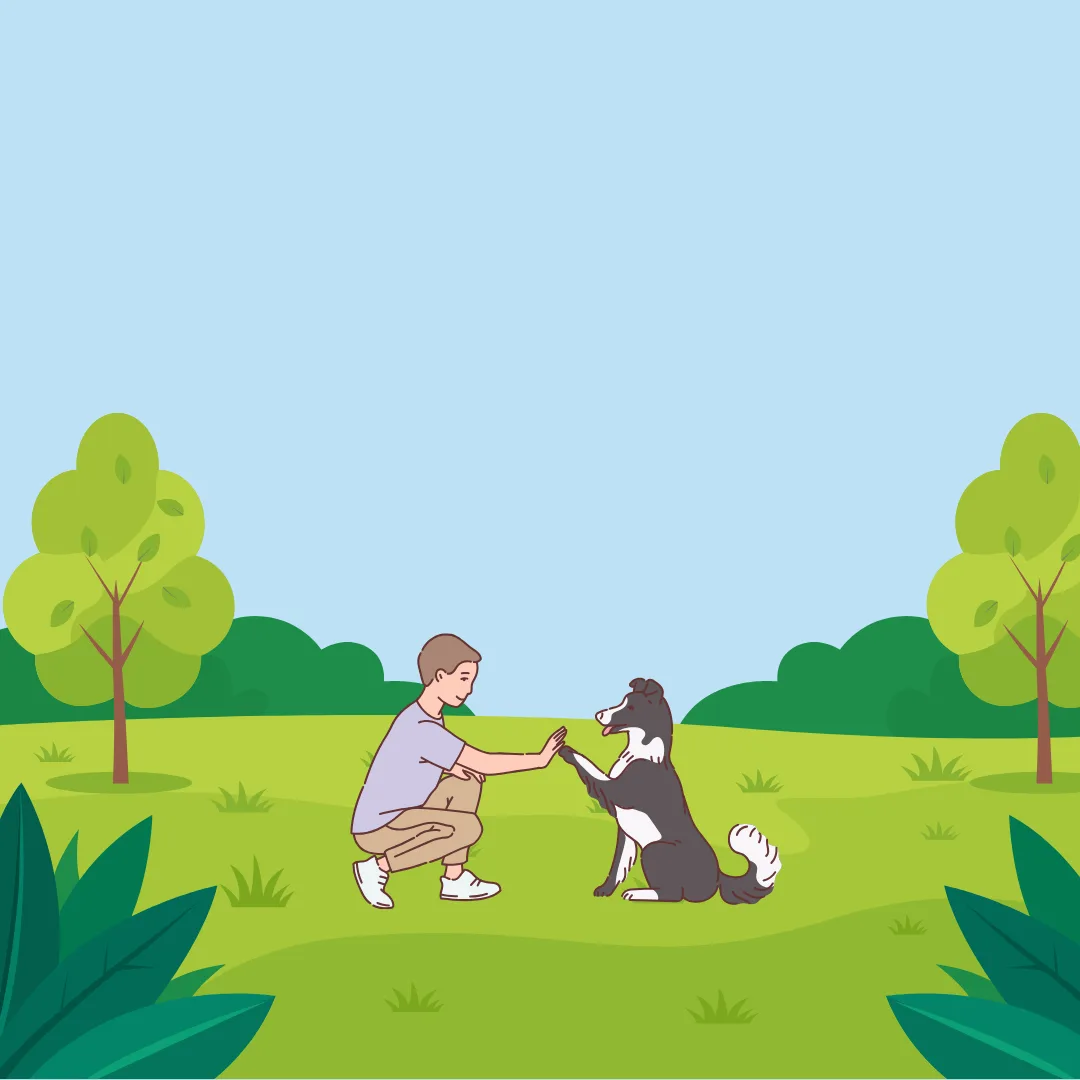
Regular training isn’t just about teaching dogs to sit, stay, or walk politely on a leash. It’s a foundation for confidence, communication, safety, and a calmer, happier life. Whether you’re working with a puppy or an adult dog, consistent training strengthens your bond and helps your dog understand the world in a way that feels safe and predictable.
🧠 Training builds confidence
Dogs feel more secure when they understand what’s expected of them. Clear, consistent cues help reduce anxiety, reactivity, and confusion. Training gives dogs a mental “roadmap,” which makes everyday situations—grooming, vet visits, meeting new people—much easier for them to navigate.
🐕 Training supports better behavior
Good manners don’t happen by accident. Regular practice helps dogs learn how to behave calmly in different environments. This includes:
- Walking politely on a leash
- Greeting people without jumping
- Staying calm around distractions
- Listening even when excited
These skills make life smoother for both the dog and the humans around them.
✂️ Training improves grooming experiences
As a groomer, you see firsthand how training affects a dog’s comfort. Dogs who practice handling, brushing, and basic obedience at home are:
- Less stressed during grooming
- Easier to handle safely
- More tolerant of tools and touch
- More confident in new environments
Training isn’t just for behavior—it directly impacts their physical comfort and safety during grooming.
🧩 Mental stimulation keeps dogs healthy
Training exercises the brain just like walks exercise the body. Mental work helps prevent boredom, which can lead to destructive behaviors. Even short training sessions provide enrichment that keeps dogs happier and more balanced.
🐶 Training strengthens your bond
When you train regularly, you’re building trust. Your dog learns that listening to you leads to good things—praise, treats, play, or simply your attention. This deepens your relationship and makes your dog more connected to you in everyday life.
❤️ A trained dog is a safer dog
Reliable cues like recall, stay, and leave‑it can prevent accidents and keep dogs out of dangerous situations. Training gives you tools to guide your dog when it matters most.
Regular training isn’t about perfection—it’s about progress, connection, and giving your dog the skills they need to feel safe, confident, and understood.