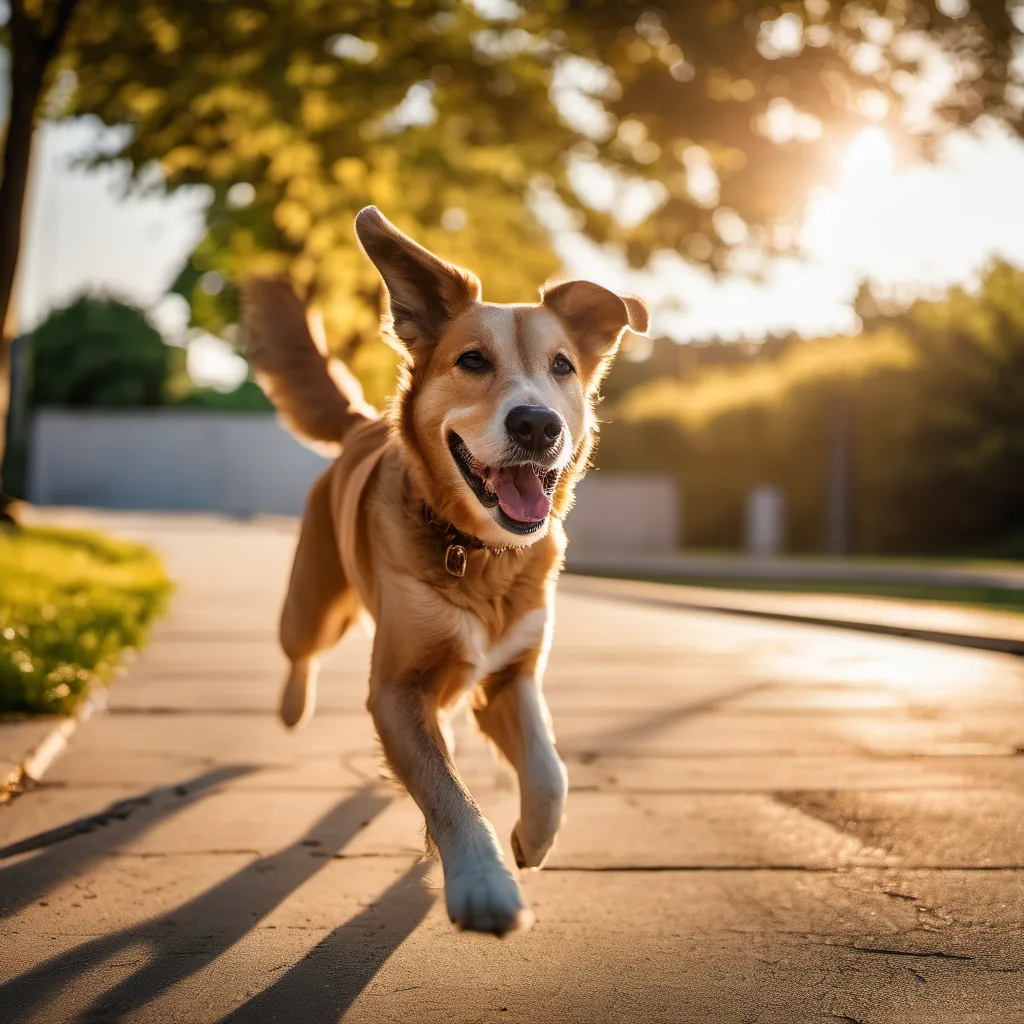
Most dog owners never look at their dog’s paws until something goes wrong. By then your dog is already limping, licking, or refusing to go outside, and you’re stuck wondering what changed. The honest answer is usually the ground itself got too hot, and nobody noticed.
I see burned paw pads every summer. Not because owners don’t care. Because asphalt heats up way faster than air temperature, and a 78-degree day turns a sunny driveway into a 130-degree surface. The “five-second rule” is the simplest test I know: press the back of your hand to the pavement for five seconds. If you can’t hold it there, your dog shouldn’t be walking on it.
Here is what I have learned from working on dogs in the mobile van all summer, and what every dog owner in Northwest Ohio should know before the next heat wave.
What “Normal” Looks Like on a Healthy Paw
Before we talk about what goes wrong, set the baseline. A healthy paw has four things going for it:
- Pads. Thick, calloused, slightly springy. Color ranges from black to pink depending on the dog. Black pads are more sun-tolerant. Pink pads burn faster and you will see it.
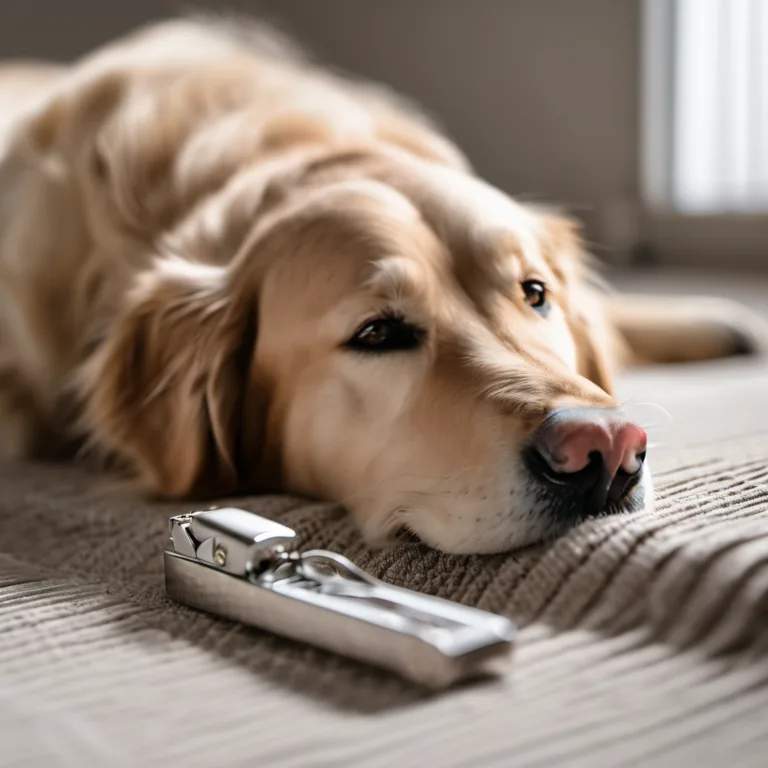
- Nails. Should clear the ground when your dog is standing. If you hear clicking on hard floors, they are too long.
- Fur between the toes. Yes, it has a job. It protects the webbing from debris and helps with traction. How I handle it depends on the dog. If the hair is knotted or tangled in there, I do shave it down to the skin to get the mats out cleanly. If the hair is clean and tidy, I give it a light trim. If you have a preference, you need to tell me, because by default I will work on whatever the foot actually needs that day.
- Webbing between the toes. The skin there is thin and sensitive. Cuts here bleed a lot and heal slowly.
If you have never actually inspected your dog’s paws, do it tonight. Lift each foot, look at the pads, spread the toes, check between them. It takes 30 seconds per foot, and now you have a reference point for when something is off.
The Big Three Summer Paw Problems
1. Hot Pavement Burns
This is the one. The pavement temperature climbs 40 to 60 degrees above the air temperature on a sunny day. Air at 85 degrees means asphalt at 125-plus. Your dog’s pads are in direct contact with that.
Signs of a burn:
- Limping or refusing to walk
- Licking or chewing at the feet
- Pads look red, blistered, or have missing chunks of surface
- Dog is more withdrawn or panting heavily after a short walk
What to do: Move the dog to a cool surface. Run cool (not cold) water over the pads for 5 to 10 minutes. Do not put ice on burns. If the pads are blistered or the dog is in obvious pain, call your vet. Burns on paws are painful and slow to heal because the dog has to keep walking on them.
Prevention is way easier than treatment:
- Walk early morning or after sunset in summer
- Stick to grass, dirt, or shaded sidewalks
- Booties work, but most dogs hate them at first, and I have seen plenty of owners give up on day two
- Paw balm with beeswax creates a thin protective layer. It is not a force field, but it helps on mildly hot surfaces
2. Cut Pads and Torn Nails
Summer means more outside time, which means more running on rough surfaces. Cut pads and torn nails are the second most common summer injury I see.
A torn nail is ugly but usually not an emergency unless it is bleeding heavily or the quick is exposed. You can stop most bleeding with styptic powder or, in a pinch, a pinch of cornstarch pressed firmly against the nail for a minute or two.
Cut pads are different. They bleed a lot because paw pads have a dense blood supply, and every step the dog takes reopens the wound. Clean it with mild soap and water, apply pressure, and keep the dog still. If the cut is deep, more than a quarter inch, or has debris in it, vet visit.
Breeds I see this most in: the athletic ones. Boxers, Pitbulls, Huskies, any dog that goes from zero to full speed in the backyard. Their enthusiasm outruns their footing.
3. Allergic Reactions and “Grass Burns”
Some dogs react to grass, fertilizer, or lawn chemicals with red, itchy paws. They lick and chew until the fur between the toes is stained brown (from saliva, not from anything mysterious) and the skin is raw.
This is not the same as a heat burn. Itchy paws are usually a contact allergy, and the fix is washing the feet when the dog comes inside. A quick rinse in cool water, pat dry between the toes, and you remove most of the irritant before it sets in.
Note on the allergy myth: If you have heard a certain breed is “hypoallergenic” because it does not shed, that is not how allergies work. People are allergic to proteins in dog saliva, urine, and dander, not hair. Low-shed breeds can still trigger allergies, and no breed is allergy-free. I should know, I am allergic to dogs myself and I work with them every day.
What I Do in the Van When I Find a Summer Paw Issue
When a dog comes out to the van with chewed-up feet or a limp, the first thing I do is rinse the paws with cool water. Most of the time the issue is grass, pollen, or something the dog stepped in. A clean foot tells me a lot more than a dirty one.
Then I trim the fur between the toes. Long fur traps moisture and debris, which makes irritation worse. Short fur between the toes helps the foot breathe and lets me see the skin underneath.
If I see a cracked pad or a cut, I clean it, let the owner know, and recommend the vet if it looks deep. I am not a vet, and I will not pretend to be one. My job is to groom safely and tell you when something is past my scope.
The Full Groom includes nail trim and ear cleaning on every dog. If your dog is prone to paw issues, ask me to do an extra paw inspection during the appointment. It takes two minutes and catches problems before they get worse.
What You Can Do at Home
Five things, in order of impact:
- Test the pavement before every walk. Back of the hand, five seconds. If you flinch, they will flinch.
- Wash the feet when you come inside. Cool water, between the toes, pat dry.
- Trim the fur between the toes yourself between grooms, if your dog tolerates it. Small scissors, go slow, never use clippers between the toes at home.
- Use paw balm on hot or cold surfaces. Beeswax-based, applied thinly, reapply before walks. It is not a replacement for avoiding bad surfaces, but it is a layer of protection.
- Keep nails short. Long nails change how the foot lands on the ground, which puts extra stress on the pads. If you can hear the click on the kitchen floor, they need a trim.
The Wrap
Do those five things, the rest takes care of itself. Hot pavement test before every walk, rinse the feet when you come inside, trim between the toes, paw balm on rough surfaces, and keep the nails short. Most of the summer paw problems I see in the van would never have happened if someone had just done one of those on a regular basis.
If your dog is already showing paw trouble, do not wait it out. A limp that lasts more than a day, a pad that looks blistered, or a nail that is bent at a weird angle is a vet visit, not a wait-and-see.
A Note from the Groomer
Summer is my busiest season, and I see the same paw problems year after year. The fix is almost always the same too: pay attention to the surface, rinse the feet, keep the nails short. None of it is fancy. None of it costs much. It is just a habit.
If you want help with the nails or the fur between the toes, that is part of every Full Groom. Pricing at Vroom Grooms is all-inclusive and spelled out up front — no surprise charges after the bath starts. You can see the current rates anytime on the Pricing page.
How to Reach Me
If your dog needs paw care or a full summer groom, the best way to get started is through the New Client Form. Use the note section to tell me about any paw issues, allergies, sensitivities, or grooming preferences (like light trim only between the toes) before I pull into your driveway.
Current clients with new information about their dog can text it to me directly, ideally at least 48 hours before the appointment so I can adjust the schedule if I need to.
Want to see a real grooming session in real time? Head over to vroomgrooms.com and click the Live button. We stream real appointments every week on Twitch at DogGroomerNicole. Real grooming, real dogs, real community. We do not stage the dogs. We do not fake the results. If a dog is having a rough day, you will see that too. That is the whole point.
Serving Northwest Ohio: Bowling Green, Grand Rapids, Haskins, Holland, Maumee, Monclova, Northwood, Oregon, Perrysburg, Rossford, Swanton, Sylvania, Toledo, Walbridge, Waterville, and Whitehouse. Mobile Dog Grooming. We come to you. No hook ups needed!
Stay fresh and furry,
Nicole / Vroom Grooms LLC
About the Author
Nicole is the owner and certified groomer behind Vroom Grooms LLC, a mobile dog grooming service serving Northwest Ohio. She specializes in double-coated breeds, anxious dogs, and clients who want honest, transparent grooming without the salon chaos. You can catch her live on Twitch at DogGroomerNIcole, where she streams real grooms and talks shop about the grooming world.
This post was drafted with help from Nagini 🐍, her digital assistant, who keeps the blog running, handles the tech side of the website, and makes sure Nicole spends more time with dogs and less time wrestling with WordPress.