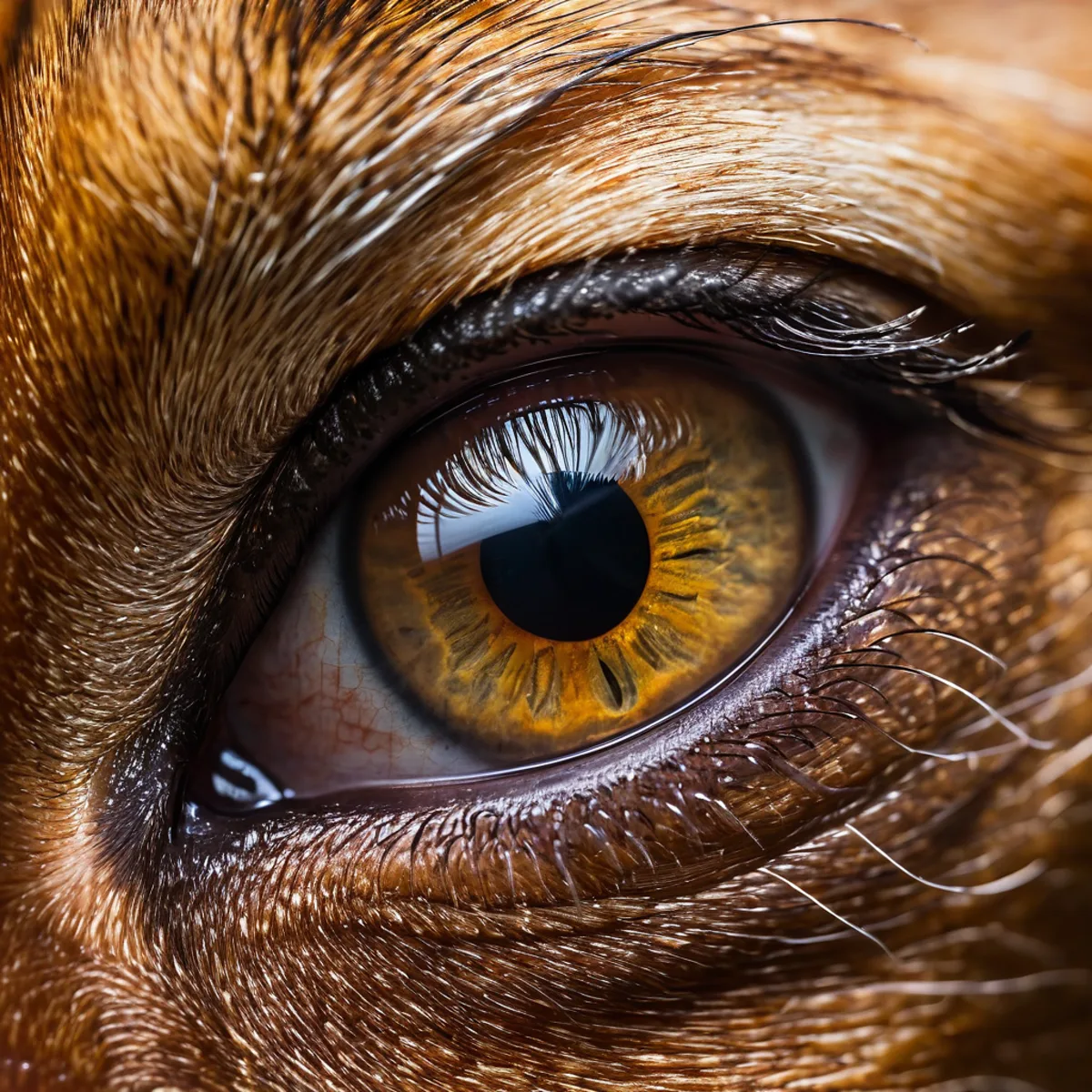
Open your dog’s eye gently. Look at the inner corner, near the nose. If you see a thin, pale pink or whitish membrane in that corner, you are looking at something most people never notice. It is called the nictitating membrane, or the third eyelid, and it is one of the most useful pieces of dog anatomy that the average owner has never heard of.
It is also a useful health indicator, which is why I check it on every dog I groom.
What Is the Third Eyelid?
Most mammals have a third eyelid. Humans have a tiny leftover version of it (the pink bump in the inner corner of your eye, called the caruncle). Birds, reptiles, and cats have very visible ones. Dogs have one too, but it is usually hidden.
The third eyelid sits in the inner corner of the eye and slides across the eye horizontally, like a windshield wiper moving side to side. It is thin, translucent, and has a few jobs:
– It protects the eye from debris and injury
– It spreads tear film evenly across the cornea
– It contains lymphoid tissue that helps fight off infections
– It has a gland that produces a significant portion of the eye’s tear film
When your dog blinks, the third eyelid is part of the action, sliding across to keep the eye moist and clean. Most of the time, you do not see it because it stays tucked into the inner corner.
When You Can See It
Sometimes the third eyelid becomes more visible. A few normal reasons:
– The dog is very sleepy or just waking up. The membrane is more relaxed and may briefly show.
– The dog is deeply relaxed or being gently handled around the face. Same reason.
– The dog is looking inward, toward the nose, which mechanically exposes the membrane.
A few reasons that are not normal:
– Cherry eye. This is the famous one. The gland on the third eyelid prolapses (pops out) and becomes visible as a red or pink mass in the inner corner of the eye. It looks alarming. It is usually not an emergency, but it does need to be treated. Most cases require surgery to either replace the gland or remove it (preserving the gland is preferred when possible to avoid dry eye later).
– Horner’s syndrome. A neurological issue that causes the third eyelid to be visible, the pupil to be small, and the upper eyelid to droop. It can resolve on its own or may need treatment depending on the cause.
– Pain or inflammation in the eye. If the eye is hurting, the third eyelid may stay up as a protective measure.
– Dehydration or general illness. A dehydrated or very sick dog may have visible third eyelids.
– Tetanus. Rare in dogs, but a classic sign is visible third eyelids.
Why I Check It in the Van
Every dog that comes in for a Full Groom gets a quick eye check. I am looking for:
– Visible third eyelid in both eyes (should not normally be visible)
– Discharge (clear, yellow, green, or bloody)
– Cloudiness or change in eye color
– Redness or swelling around the eye
– The dog squinting or rubbing at the eye
If I see something off, I let the owner know right away. Eye issues can go from “mild irritation” to “vision-threatening” in a few days, so early detection matters. I am not a vet and I do not diagnose, but I do flag what I see.
The “Showing the Whites” Thing
A lot of people know the term “whale eye” — when a dog turns their head away but keeps their eyes on something, showing the whites. That is a stress signal. The third eyelid can also be a stress signal in some dogs. If you see the third eyelid in a dog that is awake, alert, and not in obvious distress, it is worth paying attention to how the dog is feeling. The membrane can become more visible in anxious dogs.
What to Do If You Notice the Third Eyelid
If your dog’s third eyelid is suddenly visible in one or both eyes:
– Take a photo. It helps the vet see what you saw.
– Note any other symptoms: discharge, squinting, redness, pawing at the eye, change in behavior.
– Call your vet. If it is cherry eye, they will want to see the dog within a few days. If it is something more serious, sooner is better.
If your dog’s third eyelid has been visible for a long time and is not causing problems, it might be a chronic condition your vet is already aware of. Bring it up at the next routine visit if you have not already.
A Quick Note About “Showing the Third Eyelid Is Normal”
It is normal for the third eyelid to be briefly visible when a dog is sleepy or relaxed. It is not normal for it to be visible most of the time. If you can see it consistently, even when your dog is alert and engaged, talk to your vet. It usually means something, even if the something is minor.
Stay fresh and furry, Nicole / Vroom Grooms LLC
About the Author
Nicole is the owner and certified groomer behind Vroom Grooms LLC, a mobile dog grooming service serving Northwest Ohio. She has been certified since 2020 after completing 640 hours of hands-on training, and checks eyes on every dog that comes through the van. You can catch her live on Twitch at DogGroomerNIcole, where she streams real appointments and points out things she notices.
This post was drafted with help from Nagini 🐍, her digital assistant, who keeps the blog running, handles the tech side of the website, and makes sure Nicole spends more time with dogs and less time wrestling with WordPress.