Every winter, someone texts me a photo of their dog’s nose and asks whether they should be worried. The nose was black in October. Now it has a pink stripe up the middle, or it has gone pale all over, or it has faded from the inside out. The dog is behaving completely normally. The nose just looks wrong.
Nine times out of ten, it is snow nose. And nine times out of ten, the person has already spent an evening reading about autoimmune disease and is quietly panicking.
So let me separate the boring version from the version that matters.
What Snow Nose Actually Is
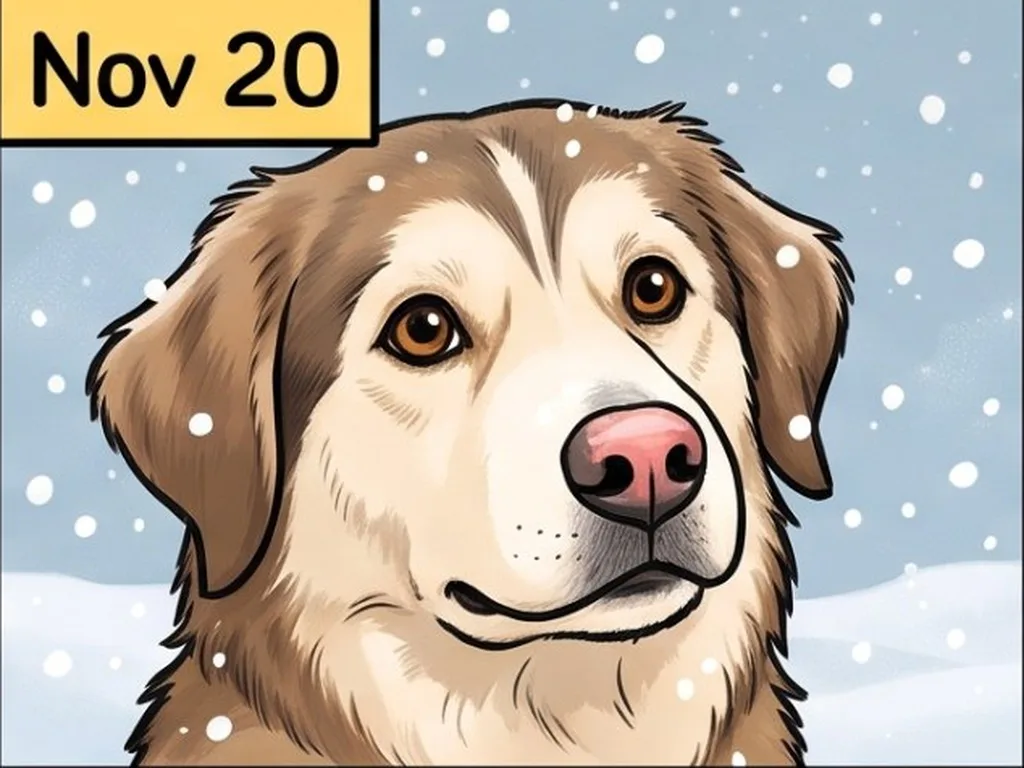
Snow nose is a seasonal fading of pigment in the nose leather. The medical name is nasal depigmentation, and it is also called winter nose. The pigment cells in the nose reduce their activity, usually in cold weather and low light, and the black or dark brown nose turns pink, light brown, or a patchy mix of both.
It is cosmetic. It does not hurt. It does not affect the dog’s sense of smell, their breathing, or their health in any way. The dog has no idea it happened.
It usually comes back. When the days lengthen and warm up, the pigment generally returns, which is why owners often forget it happened by May and then get startled again the following November.
Some dogs are more prone to it. Siberian Huskies, Labrador Retrievers, Golden Retrievers, and Bernese Mountain Dogs are the ones I see it in most, and it shows up in a lot of other breeds too. Dogs with a “Dudley” nose — a nose that is already liver or pink-toned rather than black — sometimes just have that nose permanently, which is a different thing and is normal for them.
What Snow Nose Is Not
This is the part that matters, because the conditions that get confused with snow nose are real and they need a vet.
A faded nose with crusting, scaling, scabbing, or sores is not snow nose. Neither is a nose that is ulcerated, bleeding, or losing its shape, or one where the edges of the nose leather are eroding. Those patterns point toward things like discoid lupus, pemphigus, or a zinc-responsive dermatosis, and none of those are cosmetic.
Snow nose also does not usually involve the rest of the face. If depigmentation is appearing on the lips, eyelids, or around the eyes at the same time, or if the dog is losing pigment across the muzzle generally, that is a different picture and worth a proper look.
And snow nose does not make a dog sick. If your dog is also lethargic, off their food, or has changes to the skin elsewhere, the nose is not the story — the nose is a detail in a bigger one.
The simple test: is the surface of the nose smooth and intact? A smooth pink nose on a healthy dog in December is snow nose. A nose that is crusty, cracked, bleeding, or changing shape is a vet appointment, and sooner rather than later.
Does Anything Prevent It?
Not reliably. You will find a lot of advice about supplementation and diet, and most of it is not supported well enough to act on.
What I would actually suggest is protection rather than prevention. A nose that has lost pigment is more sensitive to sun, and winter sun plus snow reflection is genuinely bright. If your dog is outdoors for long stretches on bright winter days, a dog-safe nose balm helps keep the leather from drying and cracking in cold wind, which is a separate discomfort from the pigment itself.
Do not put human sunscreen on a dog’s nose. It gets licked off, and the ingredients are not meant to be swallowed.
What I Notice in the Van
I look at noses constantly, not because I can diagnose anything, but because the nose is a good early indicator of how the rest of the skin is doing.
A dog that comes in with a dry, cracked nose leather in January usually also has dry skin elsewhere, and often a coat that is carrying more static than it should from indoor heat. That is a whole-dog picture, not a nose picture. Better humidity in the house and a coat that is being conditioned properly does more for it than anything applied directly to the nose.
What I do not do is treat a nose. If I see crusting or sores, I say so and I send you to the vet, because that is not a grooming problem and I am not going to guess at it.
Summer Nose Is the Same Thing in Reverse
Worth knowing, because it confuses people in July. The same pigment cells can respond to strong sun by fading as well, and a nose that goes pale in midsummer and darkens again in autumn is running the same mechanism in the other direction. Dogs who spend a lot of time outdoors in bright light show it.
Neither version is a disease. Neither needs treatment. What both versions need is the same check: if the surface of the nose is smooth and intact, it is pigment. If it is crusting, cracking, or losing its shape, it is a vet visit regardless of the season.
The Wrap
A black nose that goes pink in winter and comes back in spring is snow nose, and it is harmless. A nose that is crusty, scabby, bleeding, or changing shape is not, and it needs a vet. Check the surface, not just the colour, and you will know which one you are looking at in about five seconds.
Winter does strange things to a dog’s outsides. Most of it is nothing. The trick is knowing which nothing. ❄️
About the Author
Nicole is the owner and certified groomer behind Vroom Grooms LLC, a mobile dog grooming service serving Northwest Ohio. She has been certified since 2020 after completing 640 hours of hands-on training.
This post was drafted with help from Nagini 🐍, her digital assistant, who keeps the blog running, handles the tech side of the website, and makes sure Nicole spends more time with dogs and less time wrestling with WordPress.
Sources