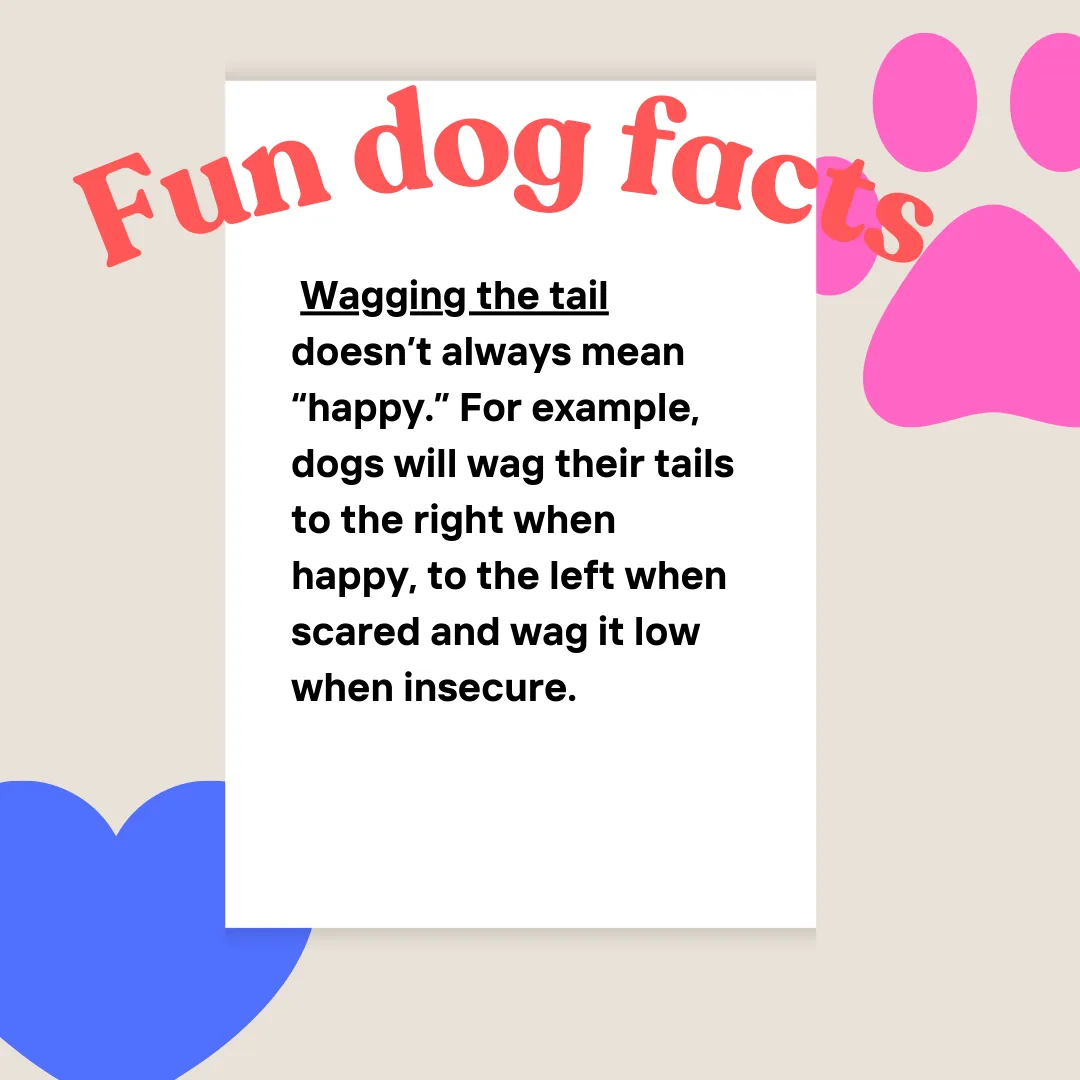
We’ve all seen it—a dog wagging their tail and instantly assumed they’re thrilled. But here’s the truth: tail wagging isn’t a universal sign of happiness. In fact, dogs use their tails to communicate a wide range of emotions, and the direction, height, and speed of the wag all tell a different story.
Understanding this subtle language can help us respond with more empathy, especially to nervous, senior, or differently-abled pups who may not express themselves in obvious ways.
🧠 The Science of the Wag
Research shows that dogs wag their tails in specific ways depending on how they feel:
- Wagging to the right: Typically indicates positive emotions—like excitement, affection, or comfort.
- Wagging to the left: Often signals negative emotions—such as fear, anxiety, or uncertainty.
- Low wagging: Suggests insecurity or submission, especially when paired with a tucked tail or lowered body posture.
It’s not just movement—it’s emotional nuance. Dogs don’t just wag—they speak.
🐶 What I See at Vroom Grooms
As the solo operator of a mobile grooming service, I’ve learned to read tails like a second language. A high, loose wag might mean “I’m ready for my spa day!” while a slow, low wag could mean “I’m nervous, but trying to trust you.”
Recognizing these cues helps me:
- Adjust my approach for each dog’s emotional state
- Build trust with nervous or first-time clients
- Celebrate small wins—like a tail that shifts from low to mid-wag during a calming bath
💡 How Pet Parents Can Tune In - Watch for tail direction and height, not just movement
- Pair tail cues with body language—ears, eyes, posture
- Respect signs of discomfort—don’t push interaction if the tail says “not ready”
- Celebrate confidence—tail wagging to the right is a great sign of comfort and connection
🐾 Final Thought
Tail wagging isn’t a one-size-fits-all signal—it’s a sophisticated form of emotional expression. And when we learn to listen with our eyes, we deepen our bond with our dogs in ways that go beyond words.
So next time your pup wags their tail, take a moment to decode the message. It might be joy, it might be fear—but either way, it’s communication. And that’s something worth wagging about.